

.png?v=1778187452169&options=w_700)






Better Outdoor Flow: A Simple Furniture Space Planning Guide
Copied to Clipboard
Designing a space that looks beautiful is one thing — designing a space that feels good to live in is another. The secret isn’t just the furniture you choose, but how you place it. A well planned layout creates comfort, flow, and functionality, while a poorly spaced layout can quickly turn into a nightmare.
To help you avoid the most common layout mistakes, here are clear, practical spacing guidelines you can use in any outdoor space — whether you’re doing deep seating, dining, or both!
1. Circulation
Creating Comfortable Walkways
What is circulation and why does it matter? In design, circulation refers to the walking paths that allow you to move through and around your space. Good circulation shapes the user experience by creating intuitive navigation and smooth transitions between areas.
When walkways are too tight, the entire space feels cramped.
3’ of walking space is typically the standard, but if a primary user of the space has mobility issues/restrictions, it could be a good idea to add 6”-12” to your circulation paths.
Adding space to your circulation paths is also a good idea when planning for major entrances or exits – 4’ of space is a good place to start. This additional space allows us enough time to make a decision about where we’re headed next before we bump into an obstruction - like a sofa or a dining table.
Keep these spacing rules in mind:
Allow 3'–4' of walking space between furniture groupings, major pathways, and large pieces.
Aim for 4'-5’ wide paths at entry and exit points for smooth movement.
These minimums prevent bottlenecks and keep your space feeling open and intuitive.

2. Deep Seating
How to Space Sofas, Chairs & Tables
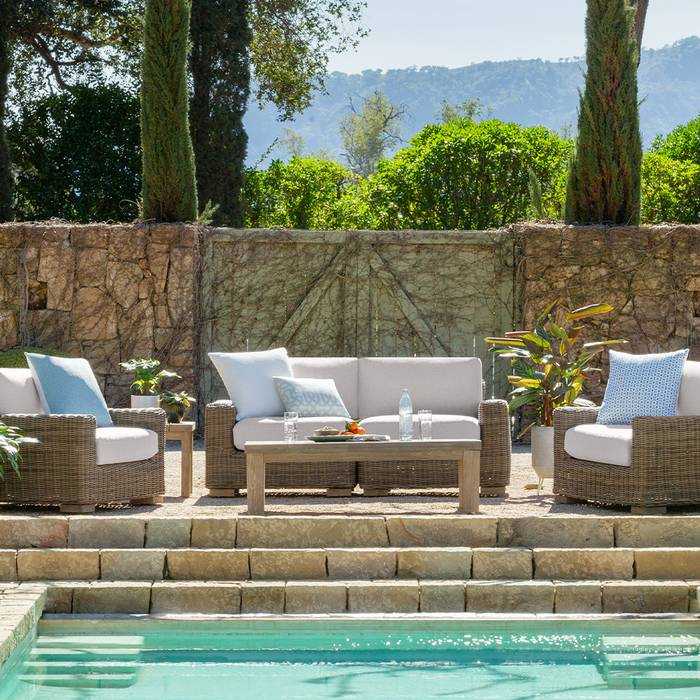
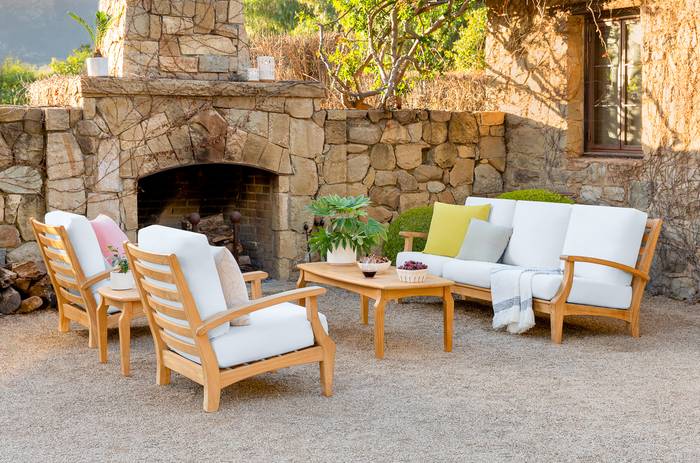
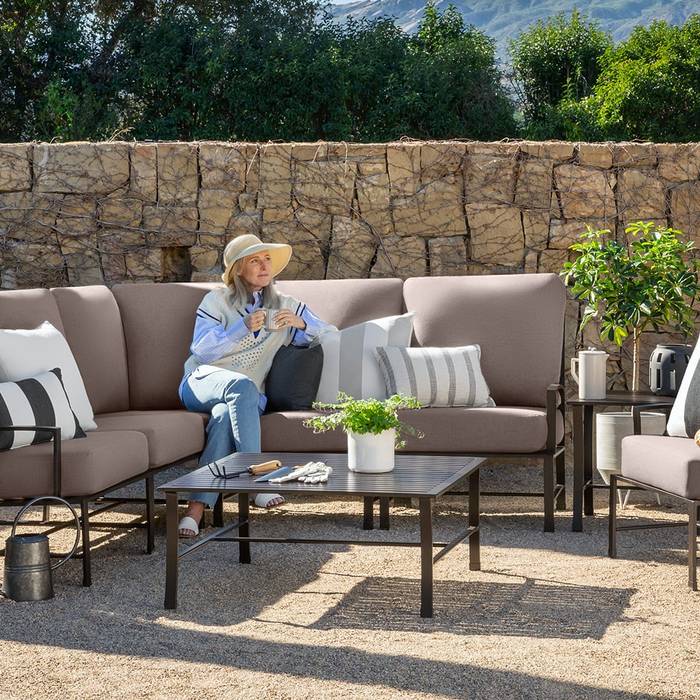
We’ve all joined a group of friends only to find the seats awkwardly close together — or so far apart that conversation feels strained. Or maybe you’ve tried to set a drink down on a coffee table that’s just out of reach. Deep seating should feel cozy, not crowded. Here are some tips that will help set you up for success and unlock your full lounging potential.
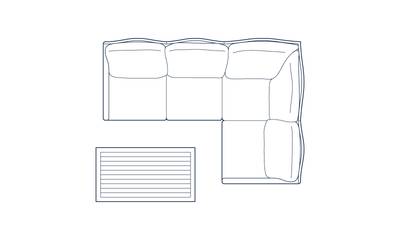
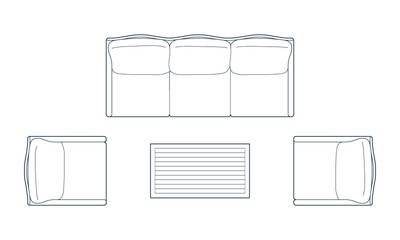
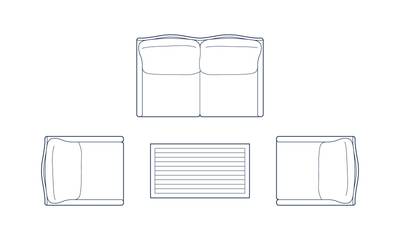
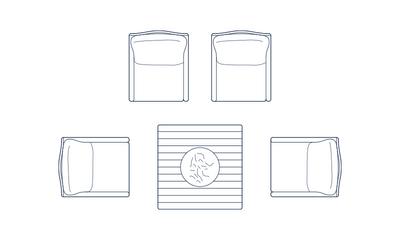
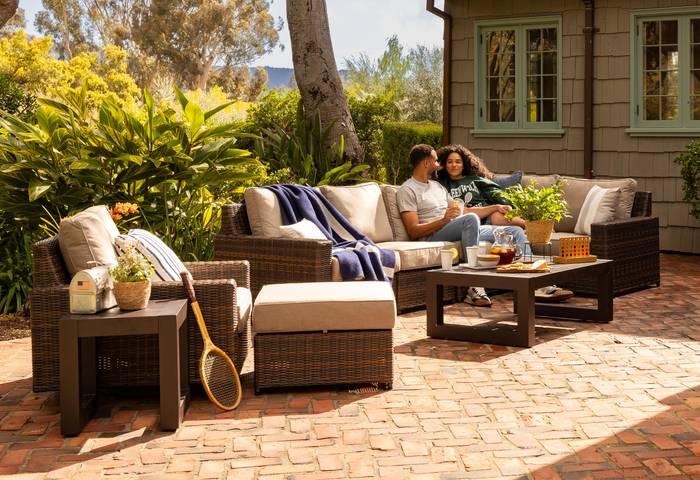
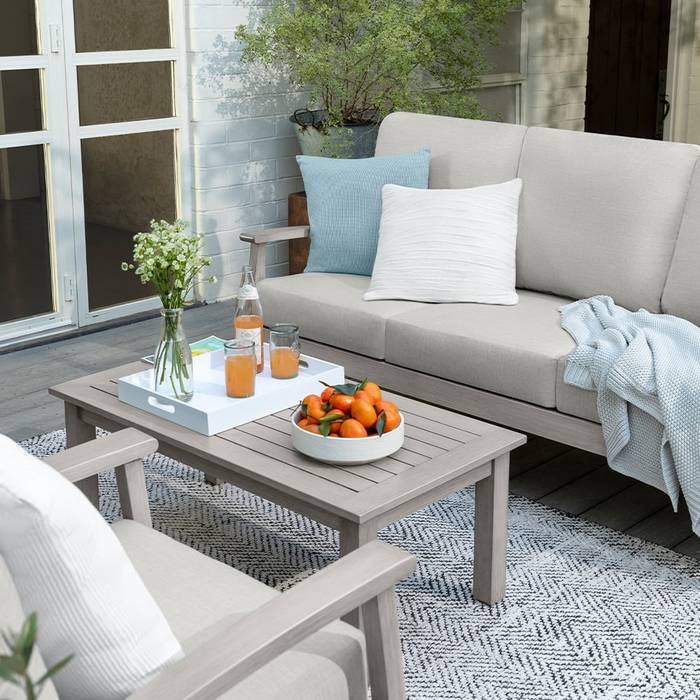
To create a layout that truly supports lounging, focus on spacing that serves the user. You want your coffee table close enough to reach comfortably, but not so close that you bump your shins sitting down.12”-18” from the sofa to your coffee table will allow you to do just that.
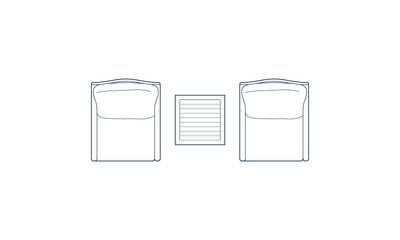
Side tables usually do their job best when they’re placed about 2"–4" from your seat. If the goal is easy reach, it might seem like putting them right up against the chair would be even better — but that actually works against you. While accessibility matters, crowding the table too close makes the whole arrangement feel visually heavy. Giving side tables a few inches of breathing room keeps the space looking balanced while still making them effortless to use.
Use these guidelines for balanced, comfortable seating areas:
Leave 12"–18" between sofas and coffee tables or ottomans.
Keep 2"–4" of breathing room between seating and side tables.
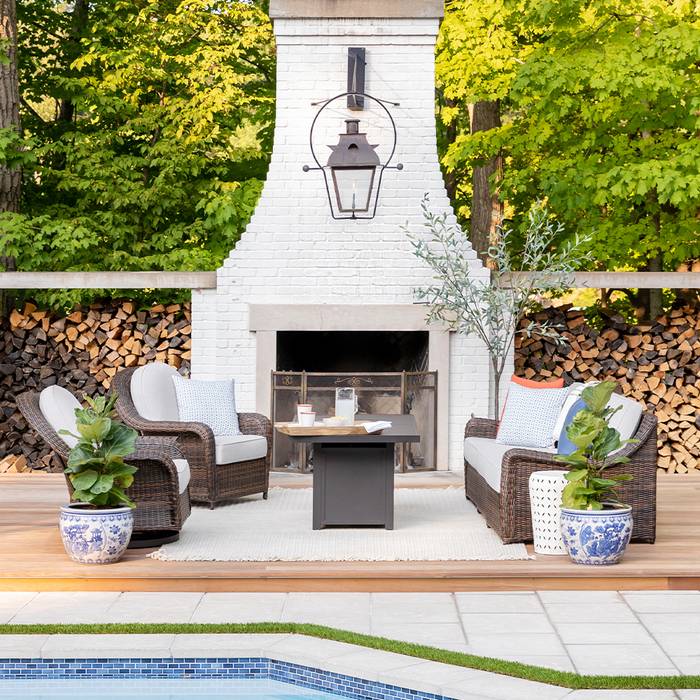
Maintain 3.5'–9' between seating groups so conversations feel natural without shouting or sitting too close.
3. Dining Room Spacing
Comfort at the Table
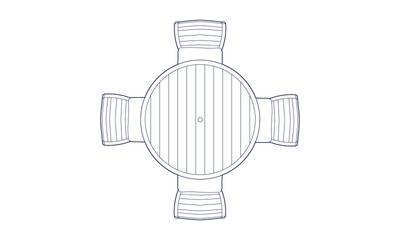
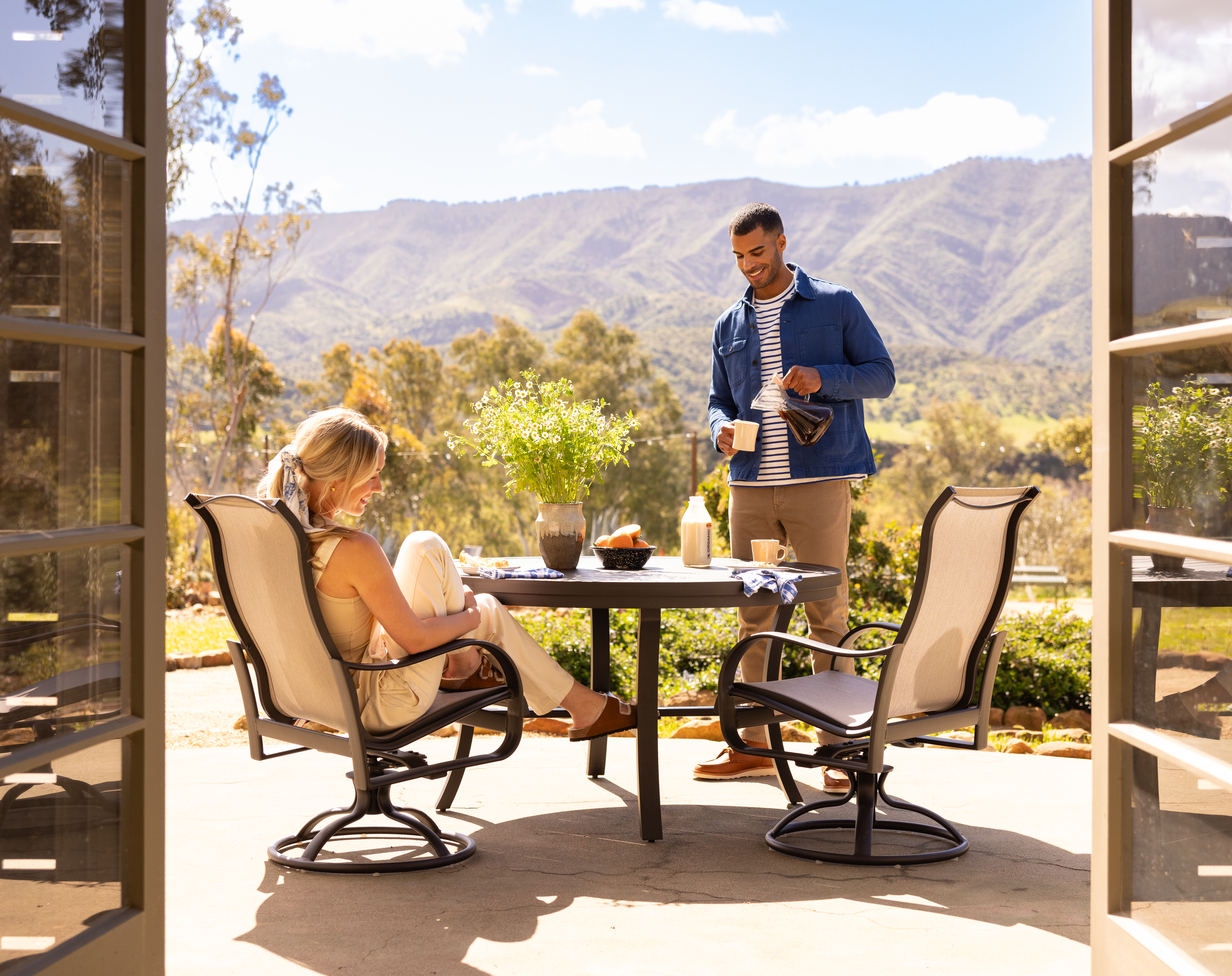
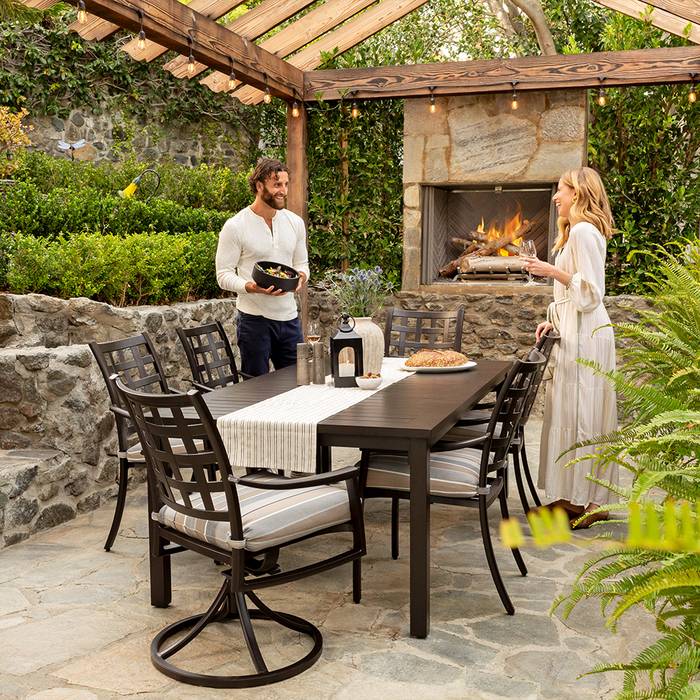
When planning for a new dining set, there are a few measurements to keep in mind. Dining sets need enough room for people to sit, stand, and move around without bumping into walls or furniture.
To pull out a chair and sit down with ease, allow 30"–36" behind the chairs before hitting a wall or another piece of furniture. If your set has swivel-base chairs (like our Pepin collection), you can get away with slightly less space since you can turn to sit.
Follow these dining spacing essentials:
Leave at least 24" behind chairs and walls or other furniture.
30"–36" is ideal for easy movement.

4. Rug Sizing
Large Scale Seating Collections – (Langdon, Ludlow, Waverly)
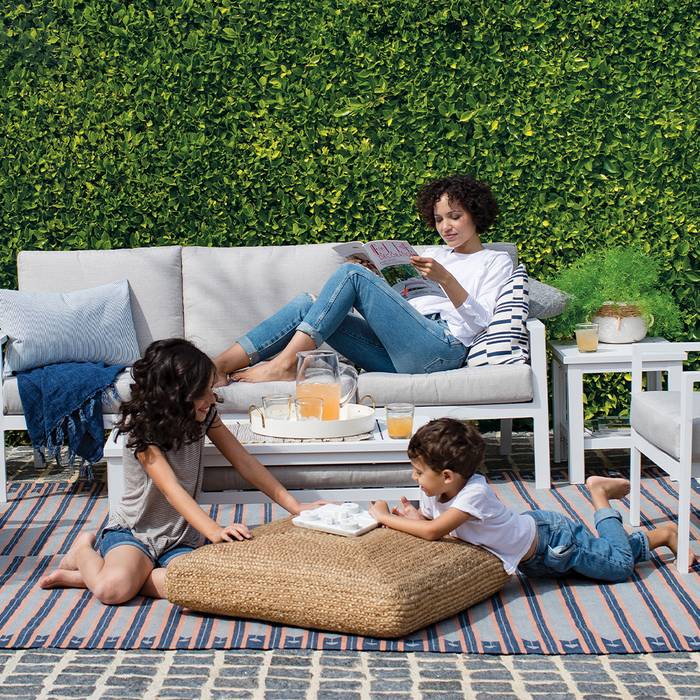
Choosing the right rug size can make or break a space. A rug that’s too small visually shrinks the room; one that’s too large can overwhelm the furniture. As a rule of thumb, ensure at least the front legs of all furniture pieces sit on the rug.
For large seating arrangements — both informal and formal — the most common rug sizes are:


These sizes help anchor the furniture and create a cohesive, grounded look.
Small Scale Seating Areas
Smaller rooms still benefit from generous rug sizing. The goal is to unify the seating area without overwhelming the space.
Common rug sizes for small scale layouts include:


These dimensions work well for both informal and formal seating setups.
Dining Sets
Dining rugs need to accommodate both the table and the chairs — even when the chairs are pulled out. A rug is a great way to define your dining space, but size matters. Too small and the space feels cramped; too large and the dining set gets visually lost.
Allow 24" from the edge of the table to the edge of the rug so chairs stay fully on the rug when pulled out.
For our Yardbird dining sets:
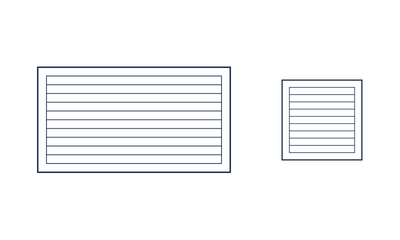
• Rectangular sets: typically 8'×10' or 10'×12'
• Round sets: 8' or 9' round


These sizes ensure the rug frames the dining area beautifully while keeping chairs stable.
Final Thoughts
Space planning doesn’t have to be complicated. With a few simple measurements and rules of thumb, you can transform any outdoor area into a space that feels intentional, comfortable, and beautifully balanced.
If you have questions or want help applying these guidelines to your space, feel free to sign up for a complementary design consultation – we’d be happy to help you refine it!
More Stories

