

.png?v=1778187452169&options=w_700)






From Plastic Waste to Patio Favorite: Here’s How
Copied to Clipboard
At Yardbird, sustainability isn’t a trend or a checkbox—it’s built into how we design, source, and create every piece. We know furniture manufacturing is resource-intensive, from production to transportation to its full lifecycle, so we’ve focused on building a more responsible approach at every step. That means using thoughtfully sourced materials, improving efficiency across our supply chain, and designing furniture that’s made to last—not just for a season. Because if we’re creating pieces meant to live outdoors, we believe they should help protect it, too.
Over the years, we’ve recycled hundreds of thousands of pounds of ocean-bound plastic and incorporated it into all of our wicker collections across our outdoor furniture assortment. While we’ve talked a lot about this process, we realized we’ve never actually shown you.
So, we visited our factory partners to capture the full journey—how ocean-bound plastic is transformed into the material that becomes our furniture.
So… is the plastic really from the ocean?
You may have heard the term ocean-bound plastic and wondered what it actually means.
Ocean-bound plastic isn’t just any recycled plastic. It refers specifically to plastic waste collected from beaches, rivers, and coastal communities located within 30 miles (50 km) of the shoreline—areas where plastic is highly likely to end up in the ocean if nothing is done.
In other words, it’s plastic caught just in time.


Much of the ocean-bound material we use is collected along the shores of Vietnam. With a strong fishing industry in the region, a large portion of the waste comes from discarded ropes, nets, and marine materials that would have eventually drifted into open water. By collecting this plastic at the shoreline, it’s given a second chance before becoming permanent ocean pollution.
Turning waste into wicker
This is where things get pretty cool.
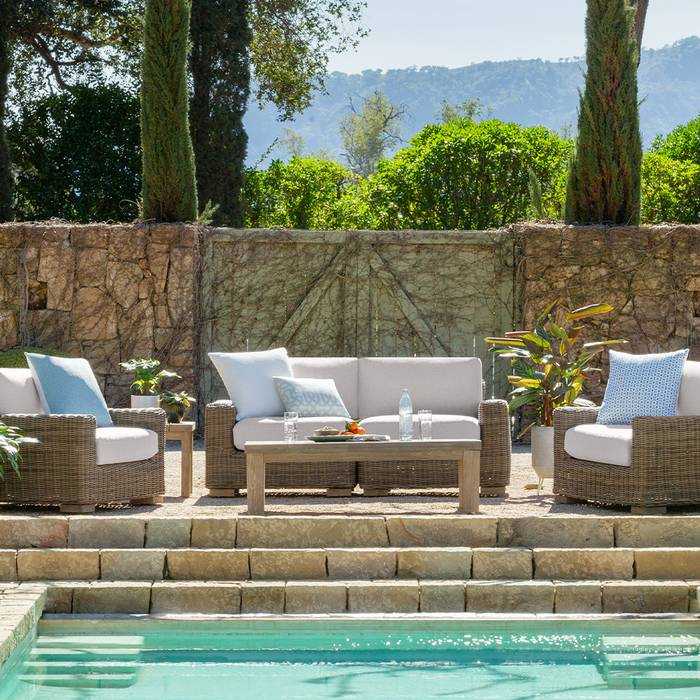
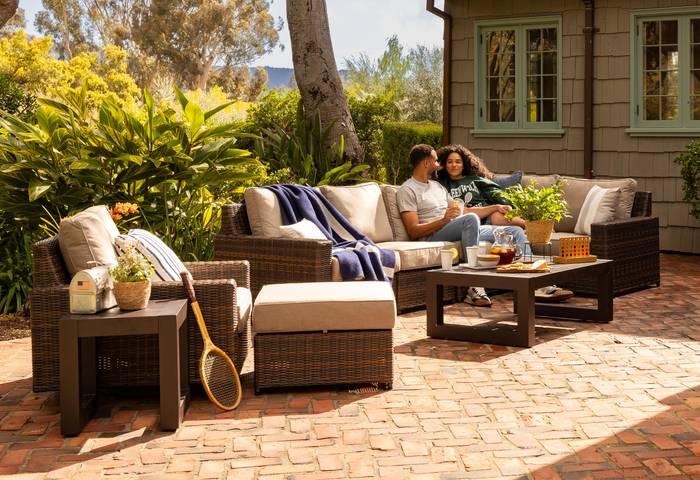
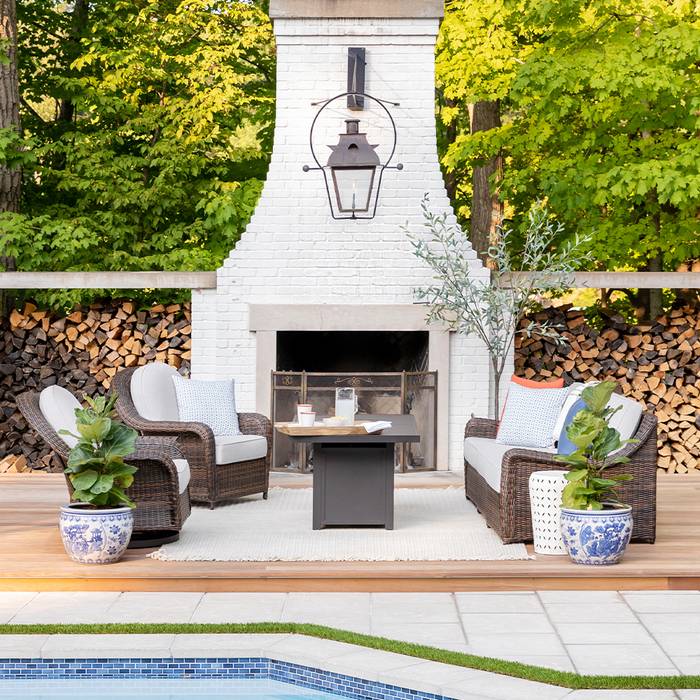
Once the plastic is collected, it’s thoroughly cleaned and processed, then broken down into tiny pellets. Those pellets are transformed into HDPE resin, which is melted and shaped into durable wicker strands. Finally, each strand is hand-woven into the furniture you see in collections like Waverly and Langdon.
What was once plastic waste on a shoreline becomes a chair or a sofa—something functional, beautiful, and built to handle years of outdoor living. It’s not just recycling; it’s a full material transformation.

Why it matters
Using ocean-bound plastic isn’t just about what our furniture is made of—it’s about the impact behind it.
It helps keep plastic out of the ocean. Every piece represents waste that won’t harm marine life or wash up on another beach.
It’s made to last. HDPE wicker is incredibly durable and weather-resistant, and it can be recycled again at the end of its life.
It creates visible change. This isn’t an abstract sustainability promise—it’s waste turned into something you can actually see and use.
Sustainability is part of who we are at Yardbird. By repurposing ocean-bound plastic in our wicker collections, we’re turning a global challenge into something positive and tangible. One chair, one sofa, one cleaner shoreline at a time.
More Stories

